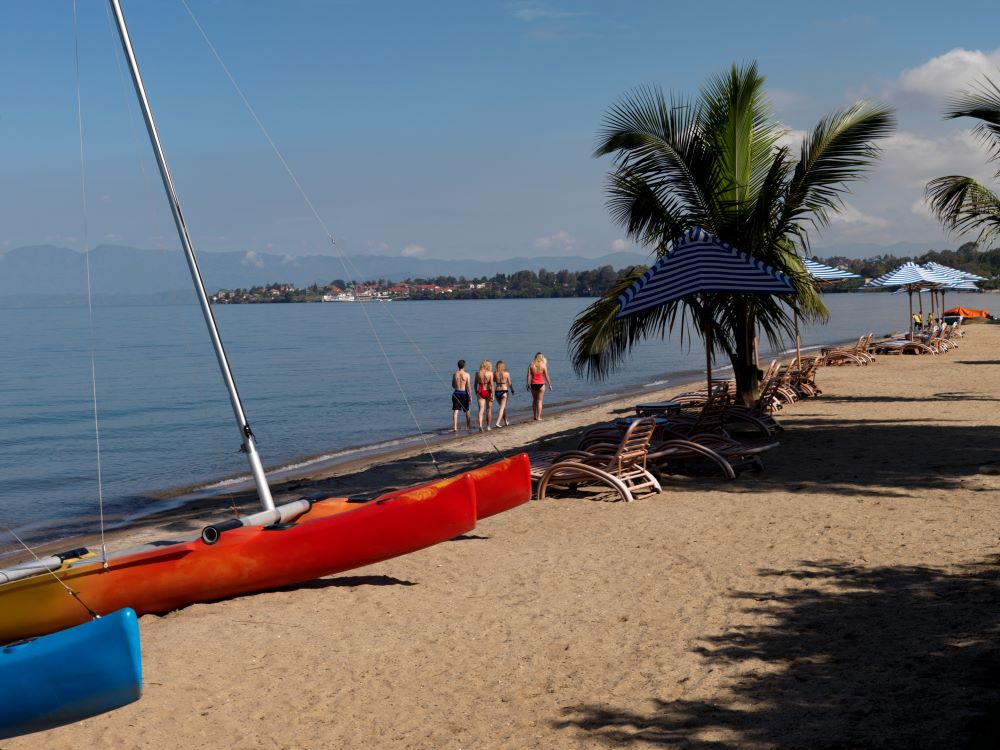
Are you planning your next African adventure? Discover Rwanda in 2027, a remarkable destination where…
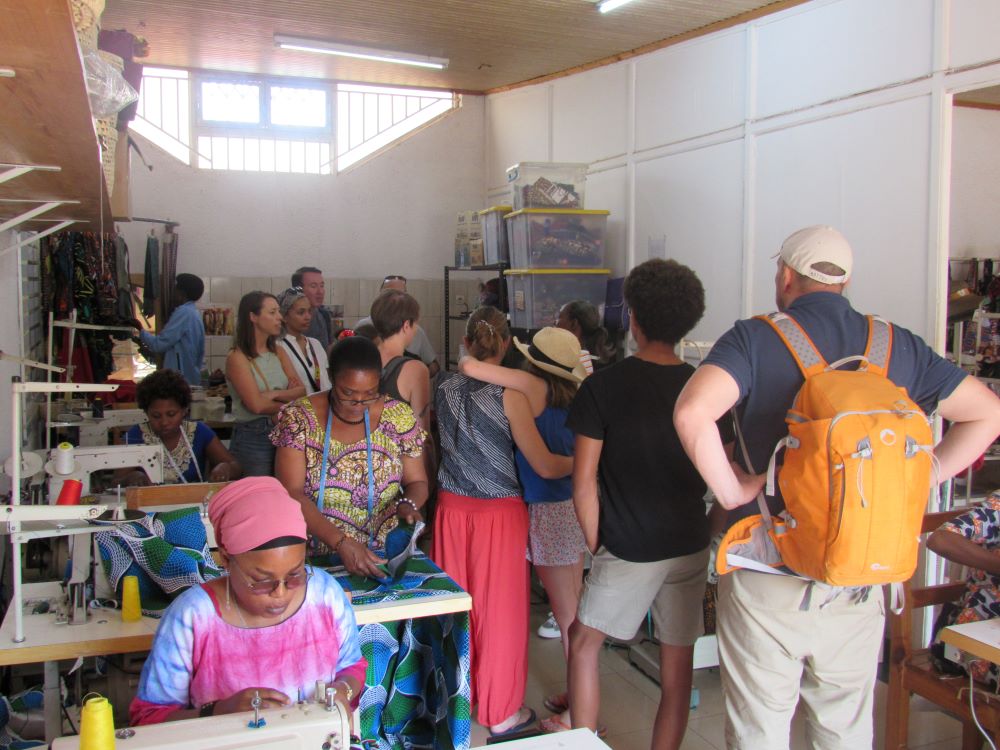
Rwanda Conservation Success Stories
A Model for Sustainable Impact
Rwanda has become one of Africa’s most compelling examples of how conservation, community development, and tourism can work hand in hand. Over the past two decades, the country has transformed its natural heritage into a powerful engine for both environmental protection and economic growth, delivering results that are now studied and admired globally.
Mountain Gorillas
One of Rwanda’s most celebrated achievements is the recovery of the endangered Mountain Gorilla population in Volcanoes National Park. Through strict protection measures, anti-poaching efforts, and regulated tourism, gorilla numbers have steadily increased.
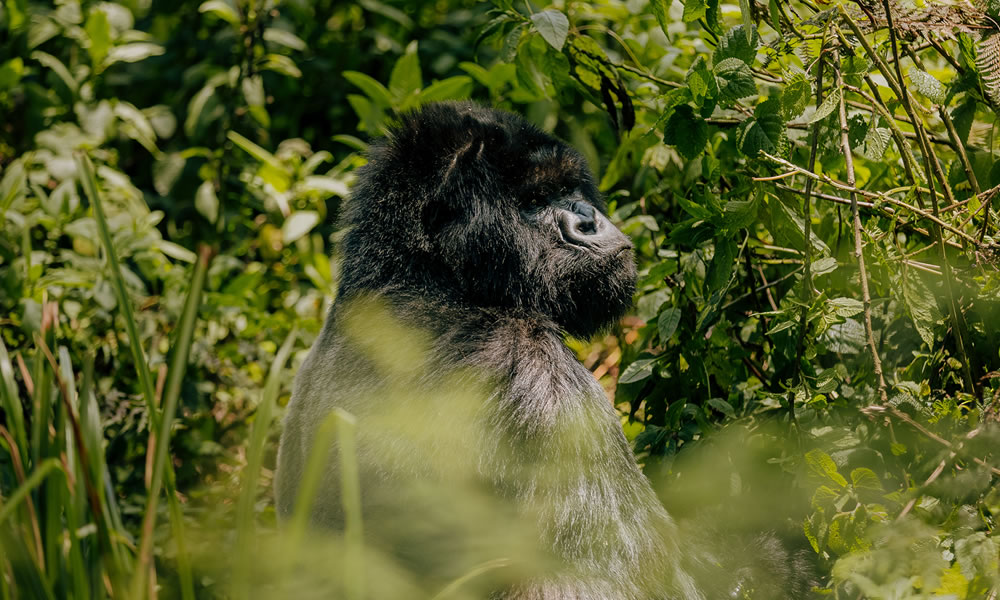
Gorilla trekking permits generate significant revenue, a portion of which is reinvested into conservation and shared with surrounding communities. This approach has turned wildlife into a valuable asset for local people, reducing human wildlife conflict and encouraging long-term stewardship.
Akagera National Park
Once heavily degraded, Akagera National Park has undergone a dramatic revival. The park is now home again to lions and black rhinos, restoring its status as a Big Five destination. Improved law enforcement, community engagement, and ecological management have led to a significant increase in wildlife populations.
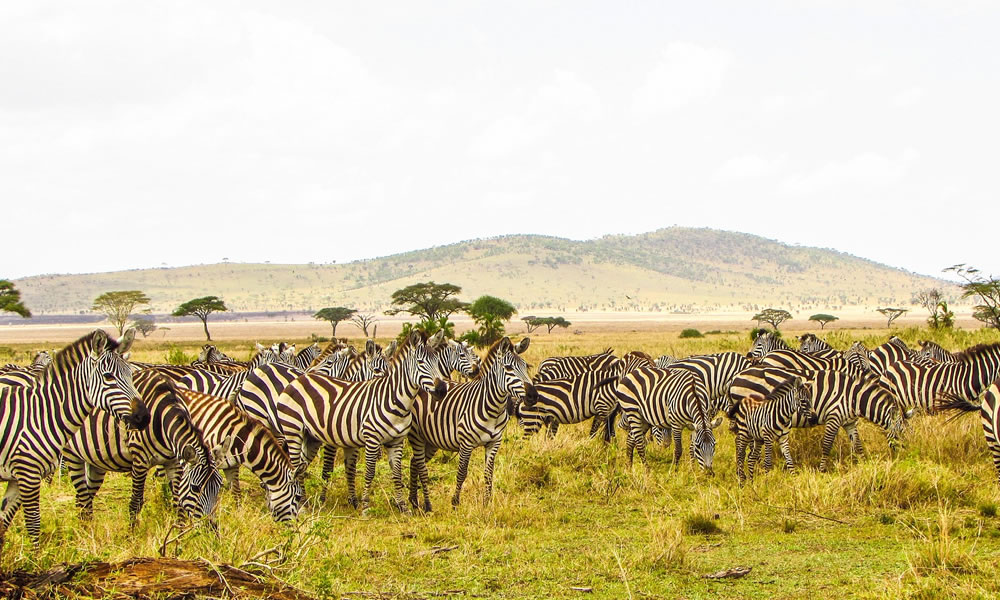
Today, Akagera stands as a powerful example of how effective management can reverse environmental decline.
Nyungwe Forest
Nyungwe National Park is one of Africa’s oldest rainforests and a critical biodiversity hotspot. Home to chimpanzees and over 300 bird species, the park has benefited from long-term conservation investments and sustainable tourism initiatives.
Activities such as chimpanzee tracking and canopy walks provide visitors with unique experiences while funding forest protection. Local communities also benefit from employment opportunities and revenue-sharing programs, strengthening the link between conservation and livelihoods.
Community Centered Conservation
At the heart of Rwanda’s success is its commitment to involving communities. Through revenue-sharing schemes, infrastructure development, and education initiatives, people living near protected areas directly benefit from conservation.
Programs like community cooperatives, cultural tourism, and sustainable agriculture have reduced pressure on natural resources while improving standards of living. This inclusive approach ensures that conservation is not seen as a restriction, but as an opportunity.
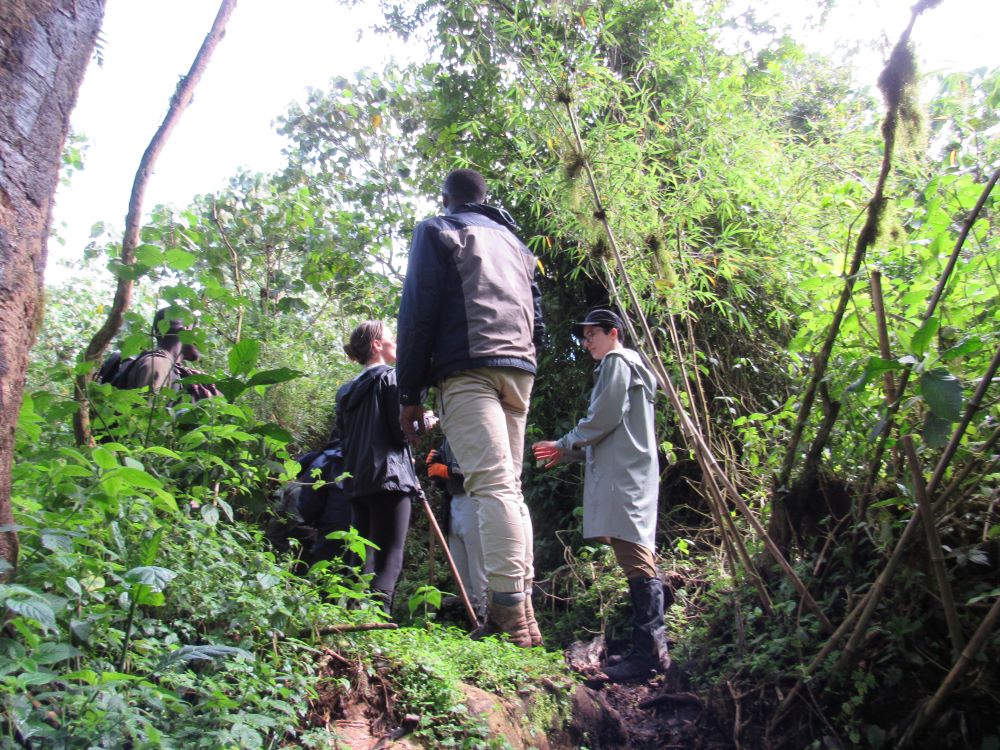
Rwanda continues to invest in restoration, climate resilience, and innovative conservation strategies. From reforestation projects to eco-tourism expansion, the country is demonstrating that environmental protection and economic progress can go hand in hand.
Rwanda’s success stories are more than achievements, they are invitations to experience a country where nature and people thrive together. Whether it’s trekking gorillas, exploring savannahs, or walking through ancient forests, every visit contributes to preserving this remarkable legacy. Reach out to our team to discover how you can be part of Rwanda’s conservation story while enjoying a meaningful and unforgettable journey.
Related Posts