Are you planning your next African adventure? Discover Rwanda in 2027, a remarkable destination where…
Rwanda Culture & Traditions
Rwanda, often called the “Land of a Thousand Hills,” is not only famous for its breathtaking landscapes and mountain gorillas, but also for its rich culture and deeply rooted traditions. If you’re planning a visit to Rwanda, understanding its cultural values will help you connect more meaningfully with the people and enhance your overall travel experience.
A Strong Sense of Community
One of the most important aspects of Rwandan culture is community. The concept of Ubunyarwanda emphasizes unity, respect, and shared identity among all citizens. A great example of this is Umuganda, a nationwide community service day held on the last Saturday of every month. During this time, locals come together to clean, build, and support community projects. Tourists visiting during this period may notice reduced movement in the morning hours—but it’s also a unique opportunity to witness Rwanda’s unity in action.
Traditional Dance and Music
Rwandan traditional performances are vibrant and captivating. The Intore dance, performed by skilled dancers wearing grass wigs and carrying spears, is one of the most iconic cultural expressions. These performances often tell stories of bravery, kingship, and celebration, and are commonly showcased in cultural villages and events across Kigali and beyond.
Language and Communication
Rwanda has four official languages: Kinyarwanda, English, French, and Swahili. Kinyarwanda is spoken by nearly everyone, making it one of the most unifying languages in Africa. Learning a few basic phrases like “Muraho” (hello) or “Murakoze” (thank you) can go a long way in showing respect and friendliness to locals.
Food and Dining Culture
Rwandan cuisine is simple, fresh, and delicious. Staple foods include plantains, beans, sweet potatoes, and cassava. A popular traditional dish is Isombe, often served with rice or ugali.
Meals are usually shared, reflecting the importance of hospitality and togetherness in Rwandan society.
Respect and Social Etiquette
Respect is a cornerstone of Rwandan culture. Greetings are very important, and it’s considered polite to greet people before asking questions or starting a conversation.
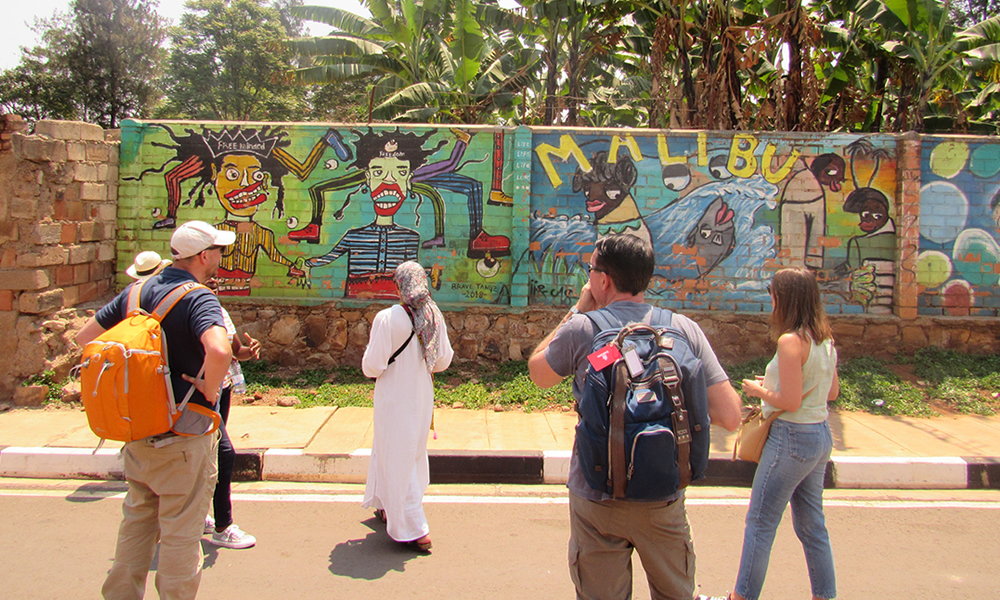
Modest dress is appreciated, especially in rural areas and public spaces. Public displays of affection are generally minimal, reflecting the country’s conservative values.
Cultural Heritage and History
To better understand Rwanda’s past and resilience, many visitors explore sites like the Kigali Genocide Memorial for the 1994 Genocide against the Tutsi. While it’s a solemn experience, it offers important insight into the country’s history and its journey toward unity and reconciliation.
Handicrafts and Local Art
Rwanda is known for its beautiful handmade crafts, including baskets (Agaseke), pottery, and beadwork. These items are not only souvenirs but also symbols of cultural identity and craftsmanship passed down through generations.
Final Tips for Travelers
- Always greet people politely
- Respect local customs and dress modestly
- Be open to learning and engaging with the culture
- Support local artisans and businesses
Exploring Rwanda’s culture and traditions adds depth to your journey, transforming your trip into a truly meaningful cultural experience. Reach out to Unique Rwanda Vacation Experts to gain deeper insight into local values and enrich every moment of your travel experience.
Related Posts